Market Sentiment
Primary Assets Affected
Table of Contents
Oil markets are entering the new week with a familiar problem: a possible diplomatic breakthrough in the Middle East, and just enough doubt around the timing to keep traders from treating it as settled.
President Donald Trump said a deal with Iran is scheduled to be signed Sunday and that the Strait of Hormuz would reopen immediately after the agreement. Tehran is not matching that timetable. Iranian officials have urged caution, saying the exact date remains uncertain and that a signing in the coming days is possible but not guaranteed.
For crude traders, that difference matters. The market is not pricing a signed agreement yet. It is pricing a probability shift around one of the world's most important energy routes.
Hormuz returns to the center of the oil trade
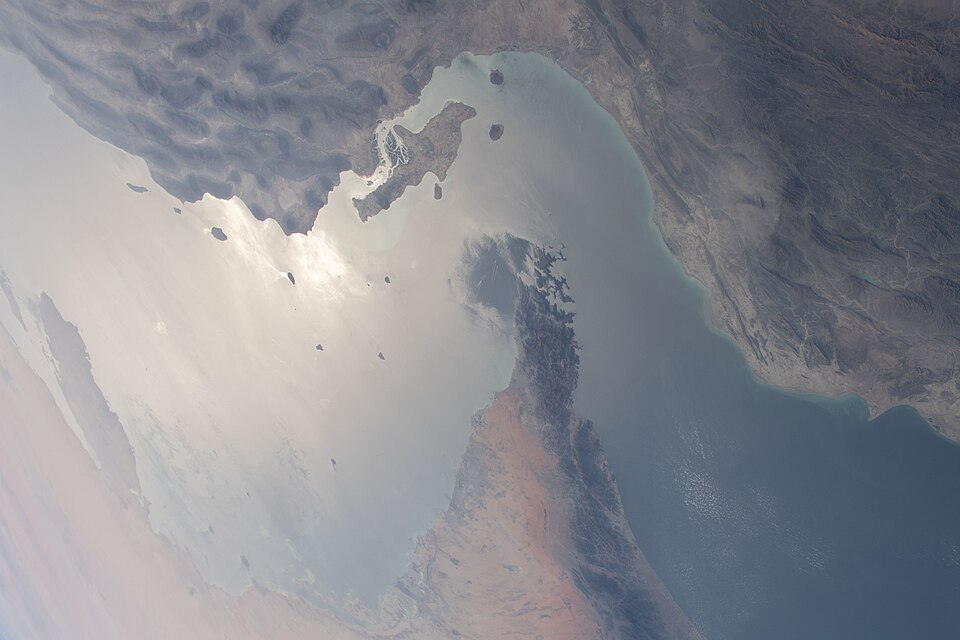
The Strait of Hormuz is the core market channel in this story. A credible reopening framework would weaken part of the geopolitical premium that has supported oil during the conflict. A delayed signing, unclear enforcement terms or renewed security incidents near the strait would keep that premium alive.
That makes this a headline-sensitive setup rather than a clean trend change. Oil can soften if traders believe commercial traffic risk is easing, but the same trade can reverse quickly if Tehran pushes back, technical talks stall or fresh military activity raises doubts about safe passage.
The latest source sweep points to the same market problem from several angles. Washington is trying to sell the deal as close, Tehran is still pushing back on timing and implementation, and traders are left to price a route that may reopen before the political language is fully settled.
Bloomberg copy syndicated through Yahoo Finance added a useful detail for traders: a senior Trump administration official put the chance of a near-term signing at roughly 80% to 85%, while still warning that Iranian hardliners could try to block a breakthrough. The same coverage said the framework would end blockades around Hormuz if the terms are met. That is enough to move oil, but not enough to remove the event risk.
The market signal is bearish for oil, but not clean
The first-order reaction to a credible deal is bearish for crude. Less disruption risk normally means less need to pay a geopolitical insurance premium in Brent and WTI. That is why the story matters beyond politics: it feeds directly into energy costs, inflation expectations and cross-asset risk sentiment.
But the signal is not clean enough to treat as a confirmed oil breakdown. Iran has questioned the timing, and the process still appears to depend on signing details and follow-up technical talks. A senior US official was also cited as saying Washington was not fully confident the agreement would be signed. That leaves traders with a probability trade, not a confirmed settlement.
The practical read is simple: oil can trade with a softer bias while the deal looks alive, but the downside is vulnerable to any headline that suggests the signing is slipping or Hormuz access remains conditional.
Gold, USD and Nasdaq are secondary channels
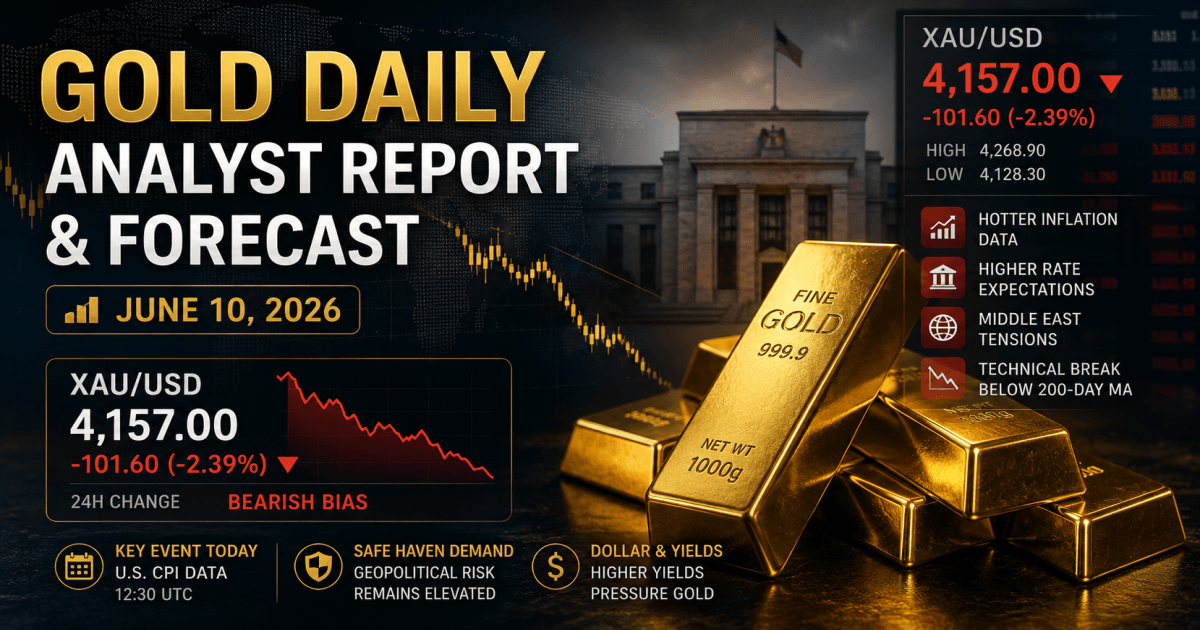
Oil is the primary asset, but it is not the only market exposed. Gold can lose some safe-haven support if the deal reduces Middle East risk, although any delay keeps a hedge bid in play. The dollar can also react through the risk channel, especially if lower oil risk improves global sentiment and reduces demand for defensive positioning.
For Nasdaq and NQ traders, the link is indirect but still useful. Lower oil risk can help risk appetite by easing one inflation pressure point at the margin. That does not automatically create an equity rally, but it can remove one macro headwind if traders believe the Hormuz risk premium is fading.
The danger for equities is the same as for crude: a deal that is discussed but not delivered can create a short-lived relief trade, followed by a fast reversal if the political timeline breaks down.
What traders should watch next
The first checkpoint is confirmation from both Washington and Tehran. A social-media timeline is not enough for markets to fully remove the risk premium. The second is the wording around Hormuz access. Traders need to know whether shipping flows can normalize, who manages the process and whether any new costs or restrictions remain.
The details matter because the disagreement is no longer only about whether a deal exists. It is also about management of the waterway, payments and sanctions relief. Those are implementation issues, and implementation risk is exactly what can keep oil volatility alive even after optimistic headlines.
The third checkpoint is security activity near the strait. Reports of drone activity and US military responses show why the market cannot treat the route as fully de-risked until the diplomatic and operational details line up.
Until then, the best framework is conditional. A signed agreement with credible Hormuz access is bearish for oil risk premium and supportive for broader risk appetite. A delayed signing or disputed implementation keeps crude reactive, supports gold on dips and leaves USD and NQ exposed to headline risk.
FXRadar take
This is a high-impact oil story with cross-market consequences. The key is not whether traders like the idea of a deal. The key is whether the market can trust the timeline and the Hormuz mechanism enough to reduce the premium already embedded in crude.
For now, the balance leans cautiously bearish for oil, with a sentiment score of 4 out of 10 for the primary asset. That bias depends on confirmation. Without it, this remains a live headline trade, not a completed de-escalation.